
Yes, dirty air ducts and energy bills are closely linked. Clogged ducts restrict airflow, making HVAC systems work harder, which increases energy consumption and raises costs. Regular cleaning helps improve efficiency and lowers monthly expenses.
Key Takeaways:
- Dirty ducts force HVAC systems to overwork.
- Increased energy use leads to higher bills.
- Regular cleaning improves airflow and efficiency.
- Lower energy bills result from clean ducts.
- Healthier indoor air quality is an added benefit.
Many homeowners are unaware that dirty air ducts may be silently increasing their monthly energy bills. Over time, air ducts accumulate dust, debris, pet dander, mold spores, and even insects or rodents, all of which can significantly hinder HVAC system performance. When airflow is restricted due to buildup, your heating and cooling systems are forced to work harder to maintain the desired indoor temperature, consuming more energy and costing you more money.
What Causes Air Ducts to Get Dirty?
Air ducts can become dirty for a variety of reasons:
- Construction debris left behind during renovation
- Pet hair and dander
- Mold and mildew due to moisture or leaks
- Dust mites, pollen, and allergens
- Neglected HVAC filter replacements
Each of these contaminants gradually builds up inside ductwork, clinging to the walls and circulating through your home every time the HVAC system turns on.
Mold, in particular, can pose serious health risks. The Centers for Disease Control and Prevention (CDC) explains that mold commonly grows in damp areas like HVAC ducts, and exposure can worsen asthma, trigger allergies, or cause respiratory irritation.
How Dirty Air Ducts Impact HVAC Efficiency
A clogged air duct restricts airflow, forcing your HVAC system to operate under strain. This not only results in longer heating or cooling cycles but also accelerates wear and tear on components like the blower motor and compressor.
Key ways dirty ducts reduce efficiency:
- Blocked airflow prevents rooms from reaching the set temperature.
- Uneven temperature distribution due to poor circulation.
- Frequent cycling as the system struggles to regulate air.
- Increased runtime, leading to higher energy consumption.
In extreme cases, duct obstructions may even cause system overheating or premature failure, leading to costly repairs or replacements.
Signs Your Air Ducts May Be Dirty
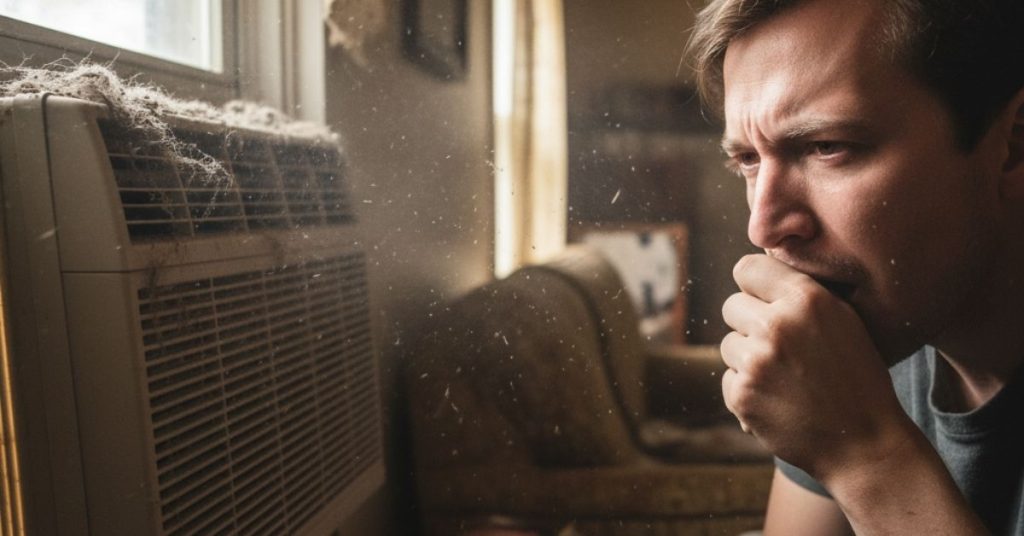
Homeowners should remain alert for the following warning signs of dirty air ducts:
- Unexplained increase in energy bills
- Dust buildup around vents
- Musty or stale odors
- Visible mold or mildew near registers
- Excessive dust accumulation indoors
- Inconsistent airflow or hot/cold spots
- Allergy or respiratory issues worsening indoors
- Frequent coughing or sneezing when HVAC is running
- Strange noises coming from the ductwork
- Presence of pests or insects near vents
If any of these issues are present, your ducts are likely contributing to your home’s energy inefficiency.
How Much Can Dirty Air Ducts Increase Your Energy Bills?
Studies by the U.S. Department of Energy reveal that 25-40% of the energy used for heating or cooling a home is wasted. One of the primary reasons for this is contamination in the HVAC system, particularly within the ducts.
A clogged or dirty duct can lead to 10–30% increases in energy usage—translating to hundreds of dollars per year, depending on the size of your home and local utility rates.
As highlighted by the DOE’s Energy Saver guide, improving HVAC system efficiency through regular maintenance—including duct cleaning—can significantly reduce energy waste and utility costs.
Professional Air Duct Cleaning: Is It Worth It?
Yes, absolutely. Professional air duct cleaning services use high-powered vacuums, rotary brushes, and sometimes negative air pressure systems to extract years of buildup from your ductwork. The result is:
- Improved airflow
- Reduced energy usage
- Better indoor air quality
- Extended lifespan of your HVAC system
- Fewer allergens circulating in the home
- Minimized health effects of dirty air ducts, such as headaches, fatigue, or respiratory irritation
The EPA provides clear guidance on when air duct cleaning is necessary and what signs indicate that cleaning is beneficial, especially for homes with indoor air quality concerns.
On average, homeowners report 10%–20% energy savings after a thorough duct cleaning, especially if it’s been several years since the last one—or if it’s never been done.
How Often Should You Clean Your Air Ducts?
While general recommendations suggest air ducts be cleaned every 3 to 5 years, certain factors may require more frequent cleaning:
- Homes with pets
- Smokers in the household
- Recent renovations or construction
- Mold growth in ducts
- Residents with allergies or asthma
In such cases, annual inspections and biannual cleanings may be more appropriate. A professional duct system condition evaluation can help determine the ideal cleaning schedule for your home.
DIY vs. Professional Duct Cleaning
Some homeowners attempt to clean ducts themselves using household vacuums or brushes. However, without specialized equipment, it’s nearly impossible to reach deep into the duct system or fully eliminate contaminants.
Professional duct cleaning offers:
- Comprehensive system inspection
- Powerful HEPA-filtered vacuums
- Cleaning of supply/return vents and HVAC components
- Mold remediation (if necessary)
Certified professionals also ensure no damage is caused to delicate ductwork during the cleaning process.
The Role of Air Filters in Keeping Ducts Clean
Even after professional duct cleaning, proper air filter maintenance is crucial to preventing rapid re-contamination. We recommend:
- Checking filters monthly
- Replacing filters every 1–3 months
- Using high-efficiency pleated filters
- Ensuring proper filter fit to avoid bypass dust
- Keeping return vents clear of obstructions
- Sealing gaps around the filter slot to prevent unfiltered air entry
- Scheduling routine HVAC maintenance to monitor filter and system performance
Air filters are your first line of defense against pollutants entering your HVAC system and ductwork.
Additional Tips to Improve HVAC Efficiency
Aside from duct cleaning, the following practices can dramatically improve your system’s performance and reduce your bills:
- Seal air leaks in duct joints using foil tape or mastic
- Insulate ducts, especially in unconditioned spaces like attics
- Schedule annual HVAC maintenance
- Install a programmable or smart thermostat
- Keep vents unblocked by furniture or drapes
These simple steps, in combination with regular duct inspections, can ensure your system runs at maximum efficiency year-round.

Choosing the Right Air Duct Cleaning Company
To ensure a safe and effective duct cleaning, always select a provider who:
- Is certified by the National Air Duct Cleaners Association (NADCA)
- Offers clear, up-front pricing
- Uses professional-grade equipment
- Provides before-and-after photos of the ductwork
- Has positive customer reviews
Avoid companies offering unusually low prices or making unsupported health claims—reputable providers will focus on improving system efficiency and cleanliness, not selling fear.
Who Should I Call for Professional Air Duct Cleaning Service Near Me
Looking for reliable, local air duct cleaning? Call 5 Star Air, your trusted experts in improving indoor air quality. We help homeowners reduce indoor air pollution and allergies while tackling hidden threats like mold in air ducts health risks.
Why Choose 5 Star Air?
- NADCA-certified technicians
- Upfront pricing—no hidden fees
- Specialized tools for deep cleaning
- Proven results with before-and-after photos
Breathe easier—contact us today!
Final Thoughts: Is Air Duct Cleaning the Key to Lower Energy Bills?
Absolutely. While it may seem like a hidden issue, dirty air ducts are one of the most overlooked causes of excessive energy use in homes. Regular maintenance, including professional duct cleaning from 5 Star Air, can not only save you money but also enhance comfort, health, and HVAC performance.
By keeping your duct system clean and efficient, you reduce the burden on your HVAC system, enjoy cleaner indoor air, and extend the life of your heating and cooling equipment—all while slashing your energy bills.