
The benefits of clean air ducts for indoor air quality include reduced allergens, dust, and pollutants, improved airflow, and a healthier living environment, helping prevent respiratory issues and ensuring cleaner, fresher indoor air. Proper maintenance also helps mitigate the health risks of dirty air ducts, which can contribute to allergies, respiratory irritation, and other health concerns.
Key Takeaways:
- Reduces allergens, dust, and pollutants
- Improves airflow efficiency
- Supports respiratory health
- Enhances overall indoor air quality
Maintaining clean air ducts is one of the most effective ways to protect and improve the indoor air quality of any residential or commercial space. As indoor environments increasingly become sealed for energy efficiency, the integrity of the air circulating through HVAC systems plays a critical role in overall comfort, health, and system performance. In this comprehensive guide, we explain how air duct cleanliness directly impacts indoor air quality and why consistent maintenance is essential for creating a safe and breathable environment.
Clean Air Ducts and the Foundation of Indoor Air Quality
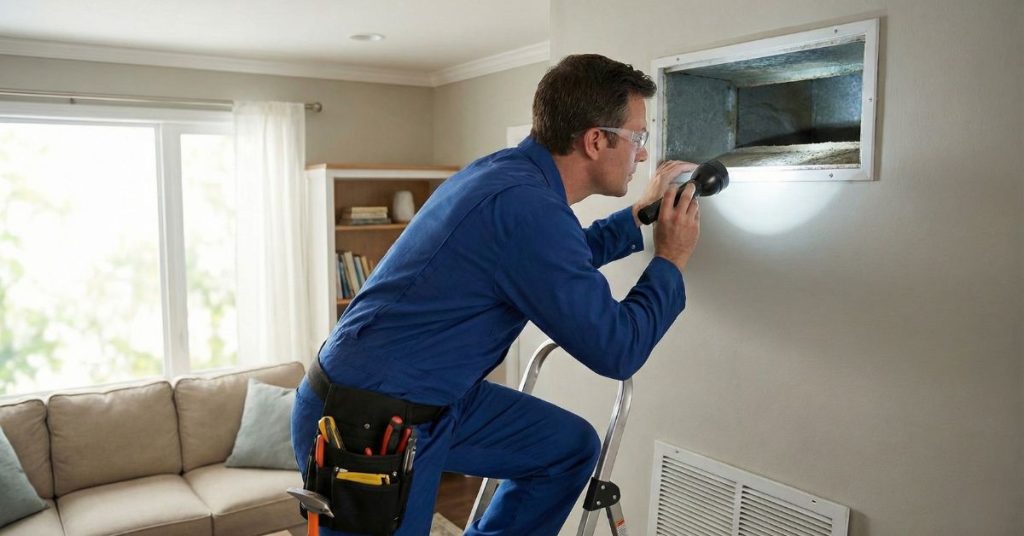
Air ducts serve as the central pathway for conditioned air to travel throughout your property. When these ducts remain free of contaminants, the air moving through them stays fresher, cleaner, and healthier. Conversely, when pollutants accumulate, they recirculate with every heating or cooling cycle. This can diminish indoor air quality and promote an unhealthy environment.
Over time, ducts naturally collect dust, pollen, dander, lint, debris, and microscopic particles. In the presence of moisture, ducts can also become breeding grounds for microbial growth. Because HVAC systems continually cycle air, these pollutants can circulate multiple times per hour, creating layers of buildup that affect the air you breathe.
How Dirty Air Ducts Compromise Air Quality
A neglected air duct system can have multiple consequences that directly impact indoor air quality. Common issues associated with dirty ducts include:
1. Distribution of Airborne Pollutants
Dirty ducts distribute contaminants such as:
- Dust and dust mites
- Pet dander
- Pollen
- Fiber particles
- Residues from household chemicals
These pollutants linger in the air, settle on furniture, and accumulate on surfaces, making indoor environments less clean and more irritating for sensitive individuals. If you want to understand more about the risks involved, check out Health Hazards of Dirty Air Ducts You Can Avoid.
2. Unpleasant Odors
Particles trapped in ducts often carry odors. Common sources include:
- Cooking vapors
- Pet odors
- Tobacco residue
- Mold or mildew presence
- Moisture-related buildup
Moisture-related buildup can also encourage mold growth, which can affect air quality and respiratory well-being, as noted by the Centers for Disease Control and Prevention (CDC). Every time the HVAC system runs, these odors are released, making spaces feel stale and unwelcoming.
3. Restricted Airflow and Poor Ventilation
Buildup inside ducts restricts airflow, forcing the HVAC system to work harder. Reduced airflow results in:
- Uneven temperatures
- Air stagnation
- Poor filtration efficiency
- Higher energy consumption
Reduced ventilation makes contaminants remain in the air longer, affecting air purity and highlighting the importance of improving ventilation and air quality at home.
The Benefits of Clean Air Ducts on Indoor Air Quality
Regular duct cleaning is a proactive strategy for ensuring a clean, comfortable indoor environment. When ducts are cleaned by qualified professionals, the benefits are extensive and immediate
1. Reduced Airborne Irritants
Clean ducts minimize the circulation of irritants such as:
- Allergens
- Dust particles
- Fine debris
These improvements support a more comfortable environment, particularly for individuals who experience respiratory sensitivities or allergies.
2. Enhanced Airflow and HVAC Efficiency
With dust and debris removed, air can move smoothly throughout the system. Clean air ducts allow HVAC units to:
- Operate more efficiently
- Maintain consistent temperatures
- Deliver stronger airflow
- Use less energy
Improved airflow also reduces strain on the system, potentially extending HVAC lifespan—an essential factor outlined by the U.S. Department of Energy in its heating and cooling efficiency recommendations.
3. Fresher, Cleaner Indoor Environment
Eliminating the contaminants responsible for lingering odors helps restore clean, neutral-smelling indoor air. Clean ducts contribute to:
- Better-smelling rooms
- More inviting indoor spaces
- A healthier overall atmosphere
4. Improved Filtration Support
When ducts are clean, air filters function more efficiently. They capture airborne particles more effectively without becoming clogged prematurely.
Why Duct Cleaning Matters in Modern Homes
Modern properties typically use advanced insulation and sealing techniques to enhance energy efficiency. While this reduces heating and cooling costs, it also limits natural ventilation. When fresh outdoor air cannot easily enter, indoor pollutants remain trapped.
In this environment, clean air ducts become essential. They ensure that the air recirculating inside the building remains free from harmful contaminants. Clean ducts act as a first defense against pollutants that accumulate due to:
- Limited airflow
- High-traffic environments
- Indoor activities such as cooking and cleaning
- Use of synthetic materials and products

Signs That Air Ducts Need Professional Cleaning
While maintenance schedules vary depending on building type and usage, several signs indicate that ducts require cleaning:
1. Visible Dust Emissions
When dust visibly escapes from vents during HVAC operation, it signals that air ducts are contaminated. Accumulated debris inside the ducts is being pushed into living spaces, reducing air quality and spreading allergens throughout the home or building.
2. Persistent Allergy Symptoms
Continuous sneezing, coughing, or irritation among occupants often points to dirty air ducts. Contaminants like pollen, dust, and mold spores circulate through the HVAC system, exacerbating allergies and respiratory discomfort, even when other cleaning measures are maintained.
3. Musty or Lingering Odors
A persistent musty or unpleasant smell from vents usually indicates moisture buildup or microbial growth inside ducts. Trapped mold, mildew, or other contaminants release odors into indoor spaces, signaling the need for professional air duct cleaning to restore healthy air quality.
4. Inconsistent Airflow
Uneven airflow between rooms often results from debris or dust accumulation obstructing duct pathways. Blockages reduce HVAC efficiency, forcing some areas to remain too warm or too cool while increasing energy usage and wear on the system over time.
5. Increased Dust Accumulation on Surfaces
If furniture, floors, and other surfaces accumulate dust rapidly, the HVAC system may be circulating contaminated air. Dirty ducts release fine particles into the home, indicating that professional cleaning is necessary to maintain a cleaner, healthier indoor environment.
How Professional Air Duct Cleaning Works
Professional duct cleaning involves specialized equipment designed to remove contaminants from the entire HVAC system. The process typically includes:
Inspection
Technicians start by inspecting the air ducts to determine the level of dust, debris, or microbial contamination. They may use cameras, borescopes, or visual evaluation to identify problem areas. This step ensures that cleaning is targeted and thorough.
Debris and Dust Removal
High-powered vacuums and rotary brushes are used to loosen and extract dirt, dust, and other contaminants from the ductwork. This process prevents debris from spreading into indoor spaces during cleaning. It effectively restores cleaner airflow throughout the HVAC system.
Cleaning of Key System Components
Professionals also clean:
- Supply and return ducts
- Registers and grilles
- Air handler components
- Blower motors
- Drain pans
This ensures the entire system operates at peak performance.
Final Airflow Testing
After cleaning, airflow is tested to confirm that the system is operating efficiently. Technicians check that air is evenly distributed and that no blockages remain. This ensures the HVAC system performs optimally, delivering clean, fresh air to all areas.
The Long-Term Value of Clean Air Ducts
Clean air ducts contribute to long-term improvements across multiple aspects of property maintenance:
- Better indoor air quality
- More efficient HVAC operation
- Reduced energy consumption
- Lower cleaning and dusting frequency
- Extended HVAC component lifespan
Maintaining clean ducts is not just an indoor air quality enhancement—it is an investment in overall property health and system performance.
Who to Call for Professional Air Duct Cleaning
For thorough and reliable air duct cleaning, it’s important to choose a trusted provider with experience in maintaining healthy indoor air. 5 Star Air offers expert HVAC services and air duct cleaning, ensuring your ducts, air handlers, and ventilation system operate at peak efficiency while improving overall air quality.
If you’re ready to experience cleaner, fresher air in your home or business, contact us today. Our certified technicians provide safe, efficient, and comprehensive duct cleaning tailored to your property’s needs.
Final Thoughts
Clean air ducts play a crucial role in maintaining a healthier indoor environment. By removing dust, allergens, odors, and debris, they help ensure fresher air, reduce respiratory irritants, and support overall comfort throughout your home or business. Regular duct cleaning also enhances HVAC efficiency, lowers energy consumption, and extends system lifespan, making it a smart long-term investment.
Don’t wait for poor air quality to impact your well-being. Book now with 5 Star Air professionals to restore clean, breathable air and experience the benefits of a healthier, more comfortable indoor space today.