
If you have been noticing a musty smell in your apartment, dealing with unexplained allergy symptoms, or seeing dark spots around your vents, there is a chance you may have mold growing inside your air ducts. Mold in air ducts is a serious issue that affects your indoor air quality and your health — and in apartments, it is more common than most people realize.
In this guide, we will show you exactly what to look for, how to inspect your ducts safely, what causes mold in the first place, and when it is time to call a professional air duct cleaning service.
What Is Mold in Air Ducts and Why Is It Dangerous?
Mold is a type of fungus that thrives in dark, damp environments — which makes air ducts a perfect breeding ground. When mold grows inside your HVAC system or ductwork, every time your heating or cooling runs, it blows mold spores directly into the air you breathe throughout your apartment.
Prolonged exposure to mold spores can cause:
- Chronic coughing, sneezing, and throat irritation
- Worsening asthma or allergy symptoms
- Headaches and fatigue
- Skin and eye irritation
- Serious respiratory issues with long-term exposure, especially in children and elderly residents
This is why catching and addressing mold in your air ducts early is so important.
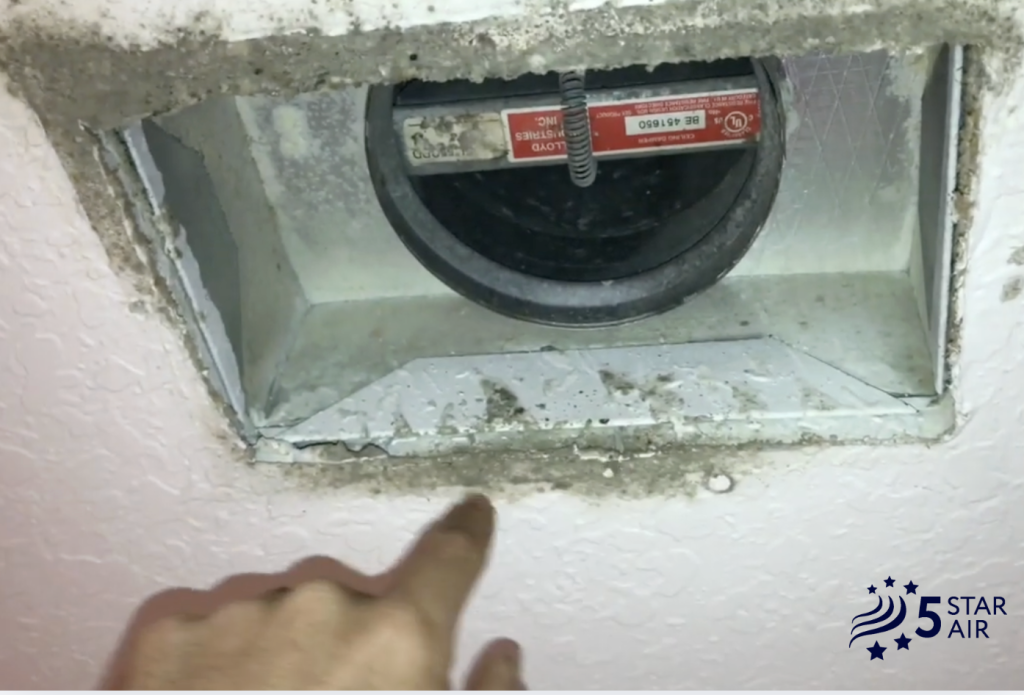
Warning Signs Your Air Ducts May Have Mold
Before you even open a vent cover, your apartment may already be giving you clues. Watch out for these warning signs:
- Musty or stale smell: A persistent musty odor when your HVAC system is running is one of the clearest signs of mold in the ductwork.
- Visible dark spots around vents: Black, green, or brown discoloration around vent covers or on the ceiling near vents is a major red flag.
- Worsening allergy or asthma symptoms: If your symptoms flare up when the air is running but improve when you leave your apartment, mold could be the cause.
- Increased dust around vents: Excessive dust buildup on or around vent covers can indicate a dirty duct system that is prone to mold growth.
- Water stains near vents: Past or current water damage near vents creates the moisture mold needs to grow.
How to Check Your Air Ducts for Mold: Step by Step
Here is how to do a basic mold inspection of your apartment air ducts yourself:
Step 1: Gather Your Supplies
- Flashlight or phone torch
- Screwdriver (to remove vent covers)
- N95 face mask
- Disposable gloves
- Mold test kit (optional — available at most hardware stores)
Step 2: Turn Off Your HVAC System
Before you start inspecting, turn off your heating or air conditioning system. This prevents mold spores from being blown around while you have the vents open.
Step 3: Remove the Vent Covers and Inspect Visually

Using your screwdriver, carefully remove the vent covers from your floor, wall, or ceiling vents. Put on your gloves and mask before handling them. Inspect both the back of the vent cover and the inside of the duct opening with your flashlight. Look for:
- Black, green, gray, or white fuzzy growth on any surface
- Dark staining or discoloration on the duct walls
- Visible moisture or condensation inside the duct
- A musty smell coming directly from the duct opening
Step 4: Use a Mold Test Kit for Confirmation
If you see suspicious growth but are not 100% sure it is mold, a home mold test kit can give you a clearer answer. These kits are available at most hardware stores for $10 to $30. You swab the area, send it to a lab, and get results within a few days. This is especially useful if you are dealing with a landlord and need documented evidence.
Step 5: Check Your HVAC Filter

While you have things open, pull out your HVAC filter and inspect it closely. A filter that is clogged, damp, or has visible dark spots is a sign that moisture and mold may have entered your system. A dirty, neglected filter is one of the leading causes of mold growth in air ducts.
What Causes Mold in Apartment Air Ducts?
Understanding the root cause helps prevent mold from coming back. The most common causes in apartments include:
- High indoor humidity: Apartments with poor ventilation trap moisture in the air, which settles inside cool ductwork and creates ideal mold conditions.
- Dirty or clogged HVAC filters: Filters that are never changed allow dust and moisture to build up and enter the duct system.
- Leaky ducts: Gaps or cracks in ductwork allow humid air from walls or attic spaces to enter the system.
- Past water damage: A previous leak or flood near the HVAC system can leave behind lingering moisture that feeds mold growth.
- Oversized AC units: An AC unit that is too large for the space cools the air too quickly without properly dehumidifying it, leaving excess moisture in the ducts.
What to Do If You Find Mold in Your Air Ducts

For Minor Surface Mold on Vent Covers
If the mold is only on the surface of the vent cover itself and does not appear to be inside the duct, you can clean the vent cover yourself. Remove it, scrub it with a mixture of one cup of bleach per gallon of water, rinse thoroughly, let it dry completely, and reinstall it.
For Mold Inside the Ducts — Call a Professional
If you find mold growing inside the ductwork itself, this is not a DIY job. Attempting to clean mold from inside ducts without professional equipment can spread spores throughout your entire apartment and make the situation significantly worse. A professional air duct cleaning service has the specialized tools, vacuums, and treatments needed to safely remove mold from the entire duct system.
Important for apartment residents: If you find mold inside your ducts, notify your landlord or property manager in writing immediately. In most U.S. states, landlords are legally required to address mold issues that affect habitability. Document everything with photos.
How to Prevent Mold in Your Air Ducts
- Change your HVAC filter every 1 to 3 months. This is the single most effective thing you can do to prevent mold and keep your air clean.
- Keep indoor humidity below 50%. Use a dehumidifier if needed, especially in humid climates or during summer months.
- Run bathroom and kitchen exhaust fans. These remove moisture at the source before it can circulate through your HVAC system.
- Schedule professional air duct cleaning every 3 to 5 years. Regular professional cleaning removes dust, debris, and early mold growth before it becomes a serious problem.
- Report water leaks to your landlord immediately. Any moisture intrusion near your HVAC system should be addressed right away before mold has a chance to grow.
FAQs
Yes. Mold spores circulated through your HVAC system can cause respiratory issues, allergy flare-ups, headaches, fatigue, and in serious cases, long-term lung damage. Children, elderly residents, and people with asthma or compromised immune systems are especially vulnerable.
The cost varies depending on the size of the apartment and the extent of the mold. On average, professional air duct cleaning and mold remediation in the U.S. ranges from $300 to $700 for a standard apartment. Some severe cases may cost more.
In most U.S. states, yes. Landlords have a legal obligation to provide habitable living conditions, which includes addressing mold. If you discover mold in your air ducts, notify your landlord in writing and document everything with photos. If they fail to act, you may have legal recourse depending on your state's tenant protection laws.
Under the right conditions — warmth, moisture, and organic dust — mold can begin growing inside air ducts in as little as 24 to 48 hours. This is why addressing leaks, high humidity, and dirty filters promptly is so important.
Bleach can be used on hard, non-porous surfaces like vent covers, but it is not effective for cleaning mold inside ductwork, which is often made of porous materials like fiberglass insulation. For mold inside the ducts, professional cleaning is the only reliable and safe solution.