
Buying a new home is exciting — but what you can’t see can affect your health, comfort, and energy bills more than almost anything visible. Your home’s air duct system is the lungs of the building, circulating heated or cooled air through every room. When ducts are dirty, leaky, or poorly maintained, indoor air quality drops, allergy symptoms worsen, and your HVAC system works harder than it needs to. This guide gives every new homeowner a clear, practical understanding of air duct maintenance — what it involves, why it matters, and when to call a professional air duct cleaning service.
What are air ducts and what do they do?
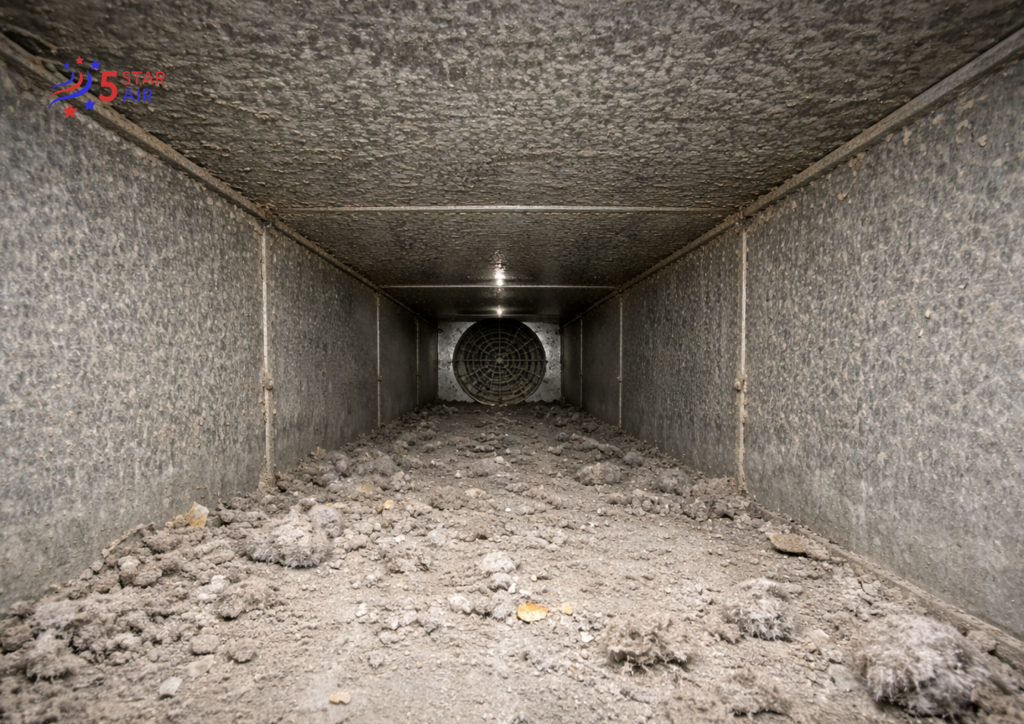
Air ducts are the network of tubes and channels built into your walls, ceilings, and floors that distribute conditioned air from your HVAC system throughout the home. Supply ducts carry heated or cooled air from the unit into each room. Return ducts pull air back to the system to be filtered, conditioned, and recirculated. Together they form a closed loop that runs continuously whenever your heating or cooling system is active. Over time, dust, debris, pet dander, mold spores, and other contaminants accumulate inside these ducts — and every time the system runs, those particles are pushed back into the air you breathe.
Why air duct maintenance matters for new homeowners
As a new homeowner, you may not know the last time the air ducts were inspected or cleaned. Previous occupants may have had pets, smokers in the household, renovation work done, or simply neglected maintenance for years. Dirty air ducts circulate allergens, dust mites, mold spores, and bacteria throughout the home every time the HVAC system runs. This directly impacts indoor air quality, which according to the EPA can be two to five times more polluted than outdoor air in poorly maintained homes. Beyond health, dirty or leaky ducts force your HVAC system to work harder, increasing energy consumption and shortening the lifespan of the unit.
Signs your air ducts need cleaning or inspection
Visible dust around vents: Dust buildup on or around supply and return vent covers is a clear sign of dirty ducts.
Musty or stale odors: A persistent musty smell when the HVAC runs often indicates mold or mildew growth inside the duct system.
Increased allergy or respiratory symptoms: If household members experience worsening allergies, sneezing, or coughing indoors, contaminated air ducts may be the cause.
Uneven airflow between rooms: Some rooms noticeably warmer or cooler than others can indicate blocked, leaky, or disconnected duct sections.
Rising energy bills: A sudden or gradual increase in heating and cooling costs without a change in usage often points to duct leaks or blockages reducing system efficiency.
Pest or rodent activity: Evidence of insects or rodents near vents is a serious sign that the duct system may be compromised and contaminated.
How often should air ducts be cleaned?
The National Air Duct Cleaners Association (NADCA) recommends having air ducts professionally inspected every two years and cleaned every three to five years under normal conditions. However, as a new homeowner, it is wise to schedule an inspection immediately — regardless of when the last cleaning took place. Certain conditions also call for more frequent air duct cleaning: homes with pets, residents with allergies or asthma, recent renovation or construction work, evidence of mold or pest infestation, or a home that has been vacant for an extended period.
What does professional air duct cleaning involve?
A professional air duct cleaning service uses specialized equipment to dislodge and remove accumulated debris from the entire duct system. The process typically begins with a camera inspection to assess the condition of the ducts and identify any damage, mold, or blockages. Technicians then use high-powered vacuums connected to the system along with agitation tools such as rotating brushes to loosen and extract dust, debris, and contaminants. Supply and return ducts, grilles, diffusers, coils, and the air handler are all cleaned as part of a thorough service. A reputable air duct cleaning company will also check for duct leaks, damaged insulation, and signs of mold growth, and recommend repairs where needed.
Air duct maintenance tasks you can do yourself
Replace air filters regularly: Your HVAC filter is the first line of defense against dust and debris entering the duct system. Replace it every one to three months depending on the filter type and household conditions.
Keep vents clean and unobstructed: Wipe down supply and return vent covers regularly and ensure furniture, rugs, and curtains are not blocking airflow.
Vacuum around vents: Use a vacuum attachment to clean around vent openings and remove surface dust before it gets drawn back into the system.
Seal visible gaps: If you can see light or feel air escaping around duct joints in accessible areas like attics or basements, seal them with foil tape or mastic sealant.
Check for moisture: Inspect accessible duct sections for condensation, rust, or water stains — signs of moisture that can lead to mold growth inside the system.

The link between air ducts and indoor air quality
Indoor air quality is a growing health concern, particularly for households with young children, elderly residents, or anyone with allergies, asthma, or respiratory conditions. Clean air ducts significantly reduce the concentration of airborne allergens, dust mites, mold spores, pet dander, and volatile organic compounds (VOCs) circulating through the home. Combining regular air duct maintenance with a high-efficiency HVAC filter — MERV 11 or higher — creates a meaningful improvement in the air quality of every room in the house.
When to call a professional air duct service
Regular filter changes and vent cleaning are good DIY habits, but professional air duct cleaning and inspection requires specialized equipment and expertise. Call a certified air duct cleaning service if you notice mold growth inside ducts or on vent covers, if there is a persistent musty or burning smell from the vents, if your energy bills have risen without explanation, if the home has recently undergone renovation, or if it has been more than five years since the last professional cleaning. Always choose a company certified by NADCA and ask for a camera inspection as part of the service.
FAQs
Common signs include visible dust around vents, musty odors when the HVAC runs, worsening allergy symptoms indoors, uneven heating or cooling between rooms, and rising energy bills. As a new homeowner, schedule an inspection regardless — you may not know the history of the system.
A thorough professional air duct cleaning typically takes two to four hours for an average-sized home. Larger homes or heavily contaminated systems may take longer. A reputable company will not rush the process — proper cleaning requires time to address every section of the duct system.
Yes. Contaminated air ducts can circulate mold spores, bacteria, dust mites, and allergens throughout your home continuously. This can trigger or worsen allergies, asthma, respiratory infections, headaches, and fatigue. Households with young children, elderly residents, or immunocompromised individuals are especially vulnerable.
Professional air duct cleaning typically costs between $300 and $700 for an average home, depending on the size of the system, level of contamination, and your location. Be cautious of very low advertised prices — reputable companies charge fairly for the time and equipment required to do the job properly.