
When you invest in a brand‑new HVAC system, you expect clean, comfortable air, lower energy bills, and long‑lasting performance. But even the best heating and cooling unit can fall short of expectations — not because the system is bad, but because your ductwork is silently sabotaging it.
Hidden duct issues can undermine performance, efficiency, and indoor air quality, leaving you frustrated and spending more than you should. Let’s break down the top duct problems that can affect your new HVAC system — and how you can protect your investment.
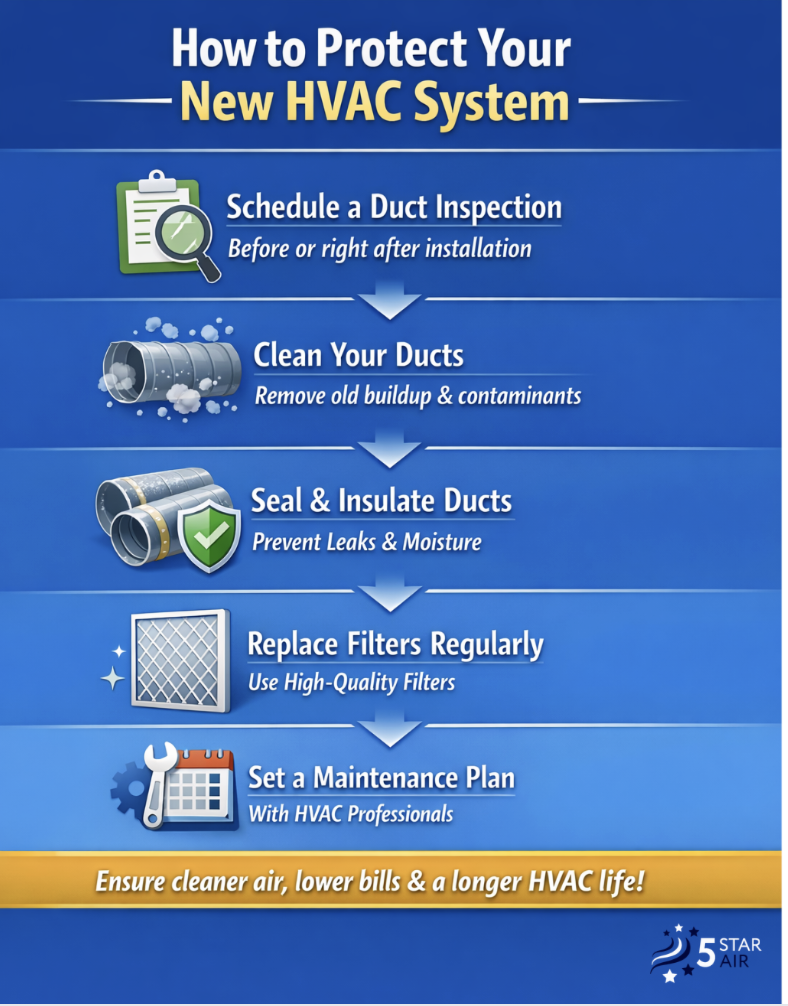
1. Old, Dirty Ducts Contaminate Your Air
Even modern HVAC systems with high‑quality filters can’t clean what’s already stuck inside your ducts. Dust, pet dander, pollen, and even mold spores can remain hidden in ductwork and get circulated every time your system runs. This means that instead of breathing fresh air, you could be inhaling accumulated contaminants that trigger allergies, headaches, or lingering odors.
2. Restricted Airflow Increases Energy Costs
Blocked or clogged ducts can cause air to distribute unevenly. You might notice:
- Some rooms always feel warmer or cooler
- Your system runs longer than expected
- Comfort levels seem inconsistent
That’s not a problem with the HVAC itself — it’s a sign that airflow is being restricted somewhere along the duct path.
3. Uneven Heating & Cooling in Your Home
- Clothes take more than one cycle to dry completely
- The dryer feels unusually hot to the touch during operation
- A burning smell comes from the dryer during a cycle
- The laundry room feels excessively humid after running the dryer
- It has been more than 12 months since your last cleaning
4. Hidden Moisture & Mold Growth
Moisture in ductwork — especially in humid climates or older homes — creates a breeding ground for mold. Because ducts are dark and out of sight, mold can grow unchecked and spread spores every time the HVAC runs. Not only does this reduce air quality, it can trigger respiratory issues and serious health concerns for people with allergies or asthma.
5. Dust and Debris Increase Wear on HVAC Components
Dirty ducts don’t just affect airflow and air quality — they put added strain on your system’s internal parts as well. The blower motor, heat exchanger, and compressor all work harder when ducts are clogged, which can lead to:
- Frequent repairs
- Premature equipment failure
- Higher maintenance costs
Regular duct maintenance helps your HVAC system run smoothly and reduces the risk of costly breakdowns later on.
6. Even a New HVAC Can Spread Old Contaminants
When you install a high‑powered HVAC system, the stronger airflow can actually spread dust and contaminants faster if your ductwork hasn’t been cleaned. That unused buildup gets dislodged and distributed throughout the home — a dirty surprise after a big investment.
7. Warranty Concerns — Don’t Ignore Duct Cleaning
Many HVAC manufacturers require proper system maintenance — including duct cleaning documentation — to keep warranties valid. Skippin
8. DIY Isn’t Enough — Professional Inspection Matters
You can dust registers and change filters regularly, but that only scratches the surface. Deep ductwork cleaning and proper inspection require professional tools and expertise — especially for hidden bends and connections inside your duct network.
By taking care of your ductwork, you protect your new HVAC system, improve indoor air quality, and enjoy consistent comfort while keeping energy costs in check. Don’t let hidden duct issues sabotage your investment — schedule a professional duct inspection and cleaning today to ensure your home stays healthy, comfortable, and efficient for years to come.
FAQs
Generally, every 3–5 years is recommended, but homes with pets, smokers, or allergy sufferers may need more frequent cleaning.
Yes. Dust and debris can restrict airflow, strain components, and reduce energy efficiency.
Absolutely. Removing dust, allergens, and mold spores helps reduce respiratory irritants and improves comfort.
No, in fact, skipping maintenance can risk warranty coverage. Proper cleaning often supports your warranty requirements.