
Most homeowners never think about their air ducts — and that is exactly the problem. Your ductwork is the hidden highway that delivers heated and cooled air to every room in your home. When it is working properly, you stay comfortable and your energy bills stay reasonable. When it is leaking, you pay more, breathe worse air, and your HVAC system works itself to death trying to keep up.
The tricky part is that most ductwork is hidden inside your walls, ceilings, and crawl spaces where you cannot see it. So how do you know if your air ducts are leaking? Your home will tell you — if you know what to look for.
Here are the top 3 signs your HVAC ductwork is leaking, why each one happens, and exactly what you should do about it.
What Is HVAC Ductwork and Why Does It Leak?
Before we get into the signs, it helps to understand what ductwork actually is. Your HVAC ductwork is a network of tubes — either rigid metal or flexible — that carry conditioned air from your heating and cooling unit to every room in your home through floor, wall, or ceiling vents. The air then returns through return air vents and cycles back through the system to be reheated or recooled.
Over time, ductwork develops holes, gaps, cracks, and loose connections — especially at the joints where sections connect. Poor installation, age, pests, and physical damage can all cause leaks. According to the U.S. Department of Energy, a typical home loses between 20 and 30 percent of conditioned air through leaky ducts. That means for every dollar you spend heating or cooling your home, up to 30 cents is literally disappearing into your walls.
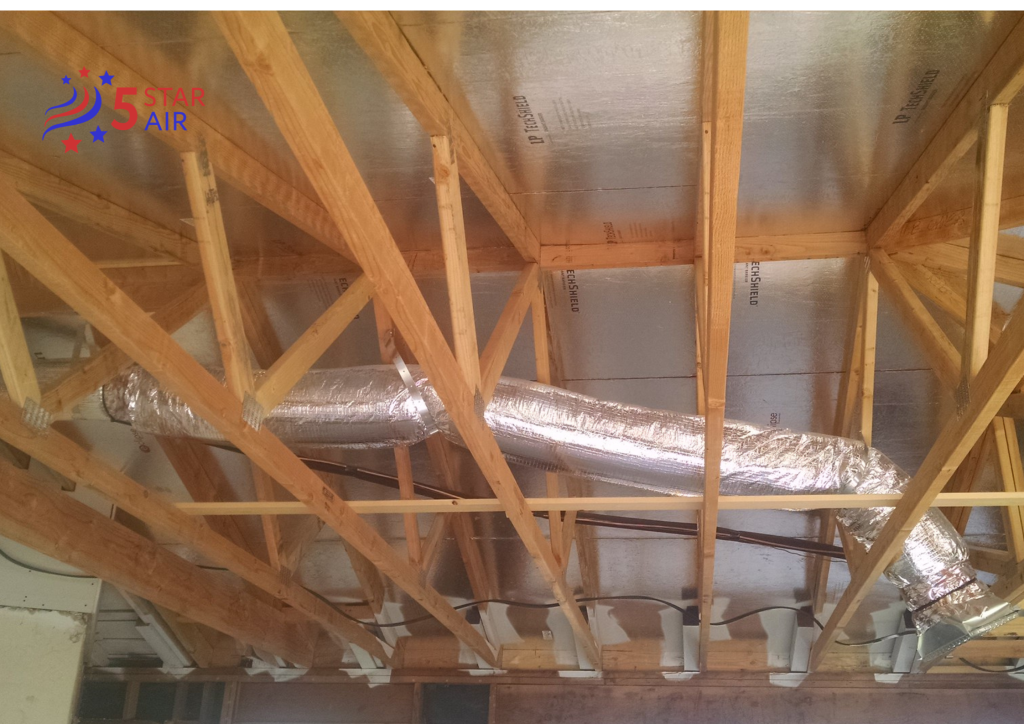
Sign #1: Your Energy Bills Are Unusually High
This is the most common and most overlooked sign of leaking ductwork. If your heating and cooling bills have been creeping up — or have always seemed higher than they should be — without any change in your usage habits or utility rates, leaky air ducts are one of the first things to suspect.
Here is why: when conditioned air escapes through holes or gaps in your ductwork before it ever reaches your living spaces, your HVAC system has to run longer and work harder to try to hit the temperature you set on the thermostat. The longer it runs, the more energy it uses, and the higher your bill climbs — even though your home never actually gets as comfortable as it should.
What makes this sign easy to miss: Many homeowners assume high energy bills are just a normal part of owning a home or that their HVAC system is aging. In reality, leaky ductwork is often the root cause — and fixing it can reduce your energy bills significantly.
What to do: If your energy bills are consistently high and you have ruled out other causes like an old HVAC unit or poor insulation, have your ductwork inspected by a professional. A proper duct assessment can identify exactly where air is escaping and how much it is costing you.
Sign #2: Some Rooms Are Always Too Hot or Too Cold
Do you have a room in your home that is always freezing in winter and sweltering in summer no matter what you do with the thermostat? Or maybe one end of the house is perfectly comfortable while the other feels like a different climate entirely? Uneven temperatures throughout your home are a classic symptom of leaking or disconnected ductwork.
When ductwork leaks, certain rooms receive less conditioned air than they are supposed to. The air that should be flowing into that bedroom or back office is instead escaping into the wall cavity or attic space. The result is hot and cold spots that no amount of thermostat adjusting will fix — because the problem is not with your HVAC unit, it is with the delivery system.
What makes this sign easy to miss: Homeowners often blame uneven temperatures on window placement, sun exposure, or room size rather than investigating the ductwork. While those factors play a role, sudden changes in room comfort or rooms that have always been problematic are strong indicators of a duct issue.
What to do: Check your vents to make sure they are open and unobstructed. Then feel around any exposed ductwork in your basement, attic, or crawl space for air escaping from connection points. For hidden ductwork, a professional duct inspection is the only reliable way to find the leak.
Sign #3: Excessive Dust Buildup Throughout Your Home
If you feel like you are constantly dusting and your home still looks grimy within days of a thorough cleaning, your ductwork may be pulling in and distributing dust from places it should not be. This is one of the most underappreciated signs of leaking air ducts — and one of the most important because of its direct impact on your indoor air quality.
Here is what happens: when there are holes or disconnected sections in your return air ductwork, the system pulls air from wherever it can — including your attic, basement, or crawl space. These areas are full of dust, insulation particles, allergens, and in some cases mold spores. That contaminated air then gets pushed through your HVAC system and blown into every room in your home.
A clear indicator of this problem is checking your return air vent covers. If they are coated with thick dust or have visible discoloration around the edges, the return duct system is likely pulling in dirty air from somewhere it should not be.
What makes this sign easy to miss: Most people assume dust is just a fact of life, especially in older homes. But a sudden increase in dust accumulation is worth investigating.
What to do: Check your return air vent covers for heavy dust buildup. If they are consistently dirty within days of cleaning, call a professional to inspect your return ductwork for leaks or disconnected sections.
How to Check Your Ductwork for Leaks Yourself
For exposed ductwork in your basement, attic, or crawl space, you can do a basic visual inspection yourself. Here is what to look for:
- Visible holes, tears, or gaps anywhere along the duct surface
- Loose or disconnected connections where duct sections meet
- Duct tape that has dried out, cracked, or peeled away
- Feel along connection points while your HVAC is running — you may be able to feel air escaping from larger leaks
- Check that all connections at vents and registers are tight and properly sealed
For ductwork hidden inside your walls and ceilings, professional testing — including pressure testing and thermal imaging — is the only reliable way to locate leaks in concealed ductwork.

What to Do About Leaking Ductwork
Ignoring leaky ductwork is never the right move. The problem does not fix itself — it gets worse over time, leading to higher energy bills, greater discomfort, and more strain on your HVAC system. There are three main solutions:
Duct sealing is the first line of defense for minor leaks. For exposed ductwork, metal tape or a mastic sealant can be applied directly over holes and gaps. For hidden ductwork, a method called Aeroseal pumps an aerosol sealant through the entire duct system, sealing even the smallest holes from the inside. When done correctly, Aeroseal can last up to 40 years.
Duct repair is the right approach for older or more deteriorated sections of ductwork. This involves targeted replacement of one or more sections that are too damaged to seal effectively.
Duct replacement is necessary when ductwork is badly deteriorated throughout, improperly sized for your HVAC system, or installed incorrectly.
The Benefits of Fixing Leaky Ductwork
Addressing leaking HVAC ductwork delivers real, measurable results:
- Lower energy bills — stop paying to heat and cool your walls and attic
- More consistent comfort — every room in your home reaches the right temperature
- Better indoor air quality — stop pulling dust, allergens, and contaminants from unconditioned spaces
- Longer HVAC lifespan — your system no longer has to overwork to compensate for lost air
- Reduced carbon footprint — using less energy to achieve the same comfort level is better for the environment
FAQs
The most reliable signs are the ones in this guide — high energy bills, uneven room temperatures, and excessive dust. For a definitive answer, a professional duct inspection using pressure testing or thermal imaging can locate hidden leaks in your walls and ceilings that a visual inspection cannot find.
Yes. When return air ducts pull in air from attics, basements, or crawl spaces, they can introduce dust, mold spores, allergens, and other contaminants into your living space. This can worsen allergy and asthma symptoms and reduce overall indoor air quality significantly.
The cost of duct sealing varies depending on the size of your home and the method used. Basic sealing of exposed ductwork is relatively affordable. Professional Aeroseal treatment for an entire home typically ranges from $1,500 to $3,000 but can pay for itself in energy savings within a few years.
Well-installed and properly maintained ductwork can last 25 years or more. However, flexible ducts tend to deteriorate faster than rigid metal ducts. If your home is more than 15 to 20 years old and has never had a duct inspection, it is worth having one done.